

I’m five days away from my period, so naturally I find the existence of email insulting.

My daughter is at school and the house is quiet.
I’ve dealt with whatever needed dealing with this morning, which leaves a few hours before pickup, when I’ll be externally useful again. Expenses and emails are waiting. So are a few pieces of admin that have sat untouched long enough to trigger my guilt reflex.
Recording an episode is one option, I guess. Another is opening my laptop and performing the familiar humiliation ritual of moving small digital objects around until I can tell myself I’ve worked.
No way that’s happening this time.
Not today, Satan.
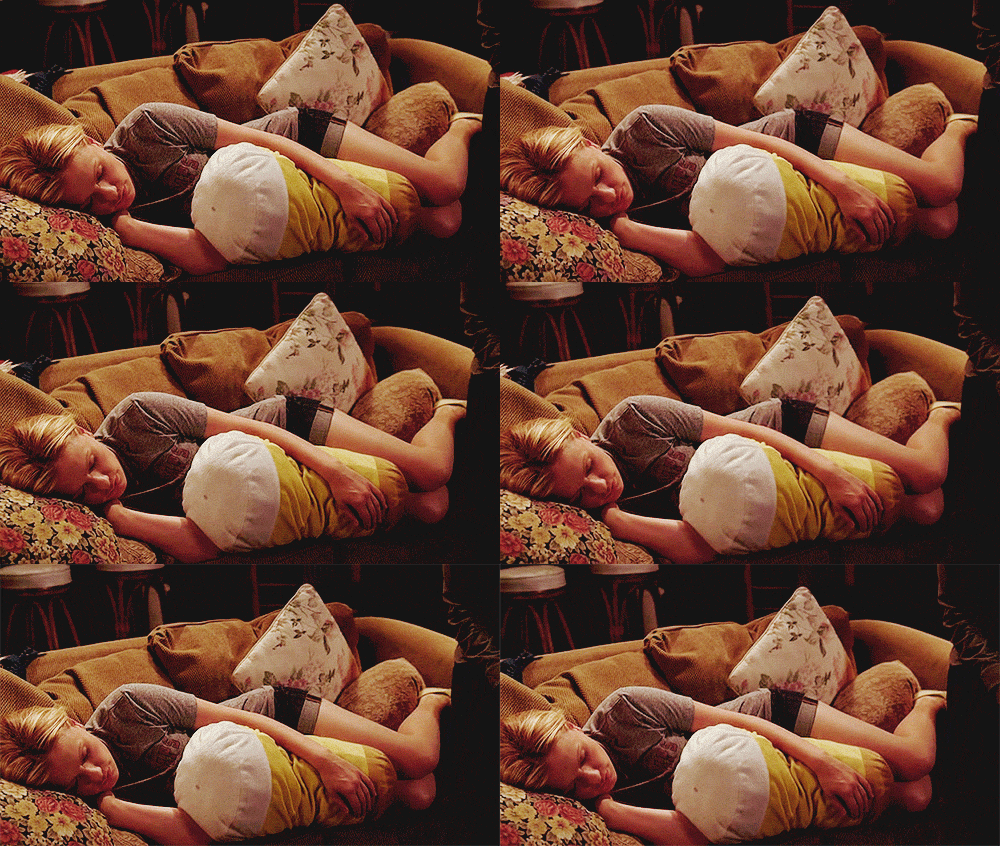
Instead, I make mugwort tea, add a little THC tincture (legally, officer 🫡), get my heating pad and curl up under a blanket on the couch.
My husband knows this version of me very well. I call it my “Sea Witch Time.”

Sea Witch Time has rules, though I’ve never written them down until now.
Lunches and calls hold no appeal. Meetings and casual invitations fare even worse. If you send me a message asking whether I can “circle back” on something, there’s a decent chance I’ll stare at my phone with cold resentment.
I’m still a mother during Sea Witch Time, obviously.
My daughter gets what she needs, and the basic obligations of having a life remain my tippy top priority. Alas, motherhood puts a fairly reliable ceiling on how far one can disappear into the mist. I can drink my mugwort tea and enjoy my tiny legal dose of altered consciousness, but school pickup remains school pickup. There will be no opium den because someone needs a snack. And thank God for it!
Almost everything optional falls away, though.
Sociability feels like a performance I’ve lost the will to give. Any kind of administrative work takes the worst of it, I fear. I can force myself upright and reconcile expenses while every cell in my body asks why we’ve chosen such a stupid use for our one wild and precious life. The emails get answered, the receipts get sorted, appointments are appointment-ing, etc.
During this time of the month, though, these tasks seem to require so much more force. So when I can, I stop applying as much of it.
My reflections on/around Sea Witch Time (during Sea Witch Time, no less!) got me thinking about something. The days when I look least impressive from the outside have quite literally produced some of my best work.
I’ll be lying there with the heating pad and my tea, reading some book I picked up for reasons I couldn’t entirely explain when I bought it. Eventually the book drops to my chest and I even, gasp, close my eyes. Twenty minutes pass in which I appear to have accomplished absolutely nothing. Then two ideas that had been sitting seemingly miles apart in my head suddenly touch.

A book from six months ago starts connecting to last week’s interview, or some religious image reminds me of behavior I’ve been watching play out online. Somewhere in there, an episode premise starts coming together before I’ve consciously decided to make an episode.
I’ve tried to summon this state on command without success.
At my desk, a ninety-minute demand for originality leaves me painfully aware that I’m a human woman sitting in her meat suit trying to generate creative brilliance on command. Under a blanket five days before my period, with unnecessary human contact removed and a book I’m obsessed with nearby because apparently my unconscious has declined to participate in normal business hours.
I trust her now, although for years I gave the title of “better worker” to the woman who could answer twenty emails and record for four hours, reconcile the expenses and still handle administrative bullshit at 7pm. She looks excellent on paper, I suppose.
Sea Witch Mollie is harder to account for. She reads or lies there thinking, gets up for more tea, writes half a paragraph in her Notes app and abandons it when another thought pops up. Within all those hours that would look wasted on a timesheet, she will probably find the idea that means more to me than everything neatly crossed off the list that week.
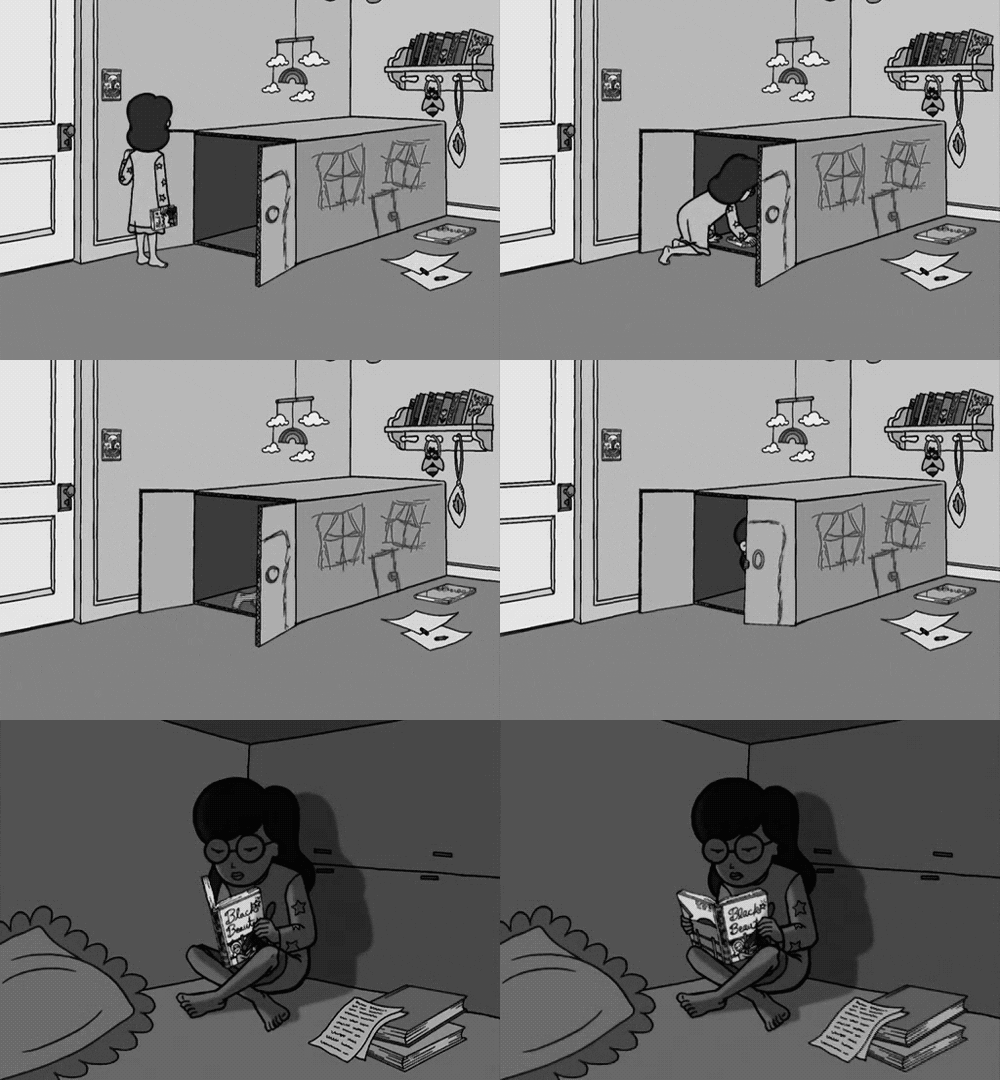
My Body Has Its Own Work Calendar
Near ovulation, another version of me finds Sea Witch Mollie exasperating.
Give that woman the laptop and she’ll record for hours with genuine pleasure. Conversation feels easier (although she is, at heart, a goblin-girl hermit) and expenses can be categorized without capitalism itself registering as a personal offense. I might even put on real clothes.
Rest has less seduction then. If I took the tincture at eleven in the morning, climbed under a blanket and tried to call upon the sea witch, I’d probably get bored. Too much energy is moving outward, and the distance between thinking I should do something and getting up to do it has legitimately shortened.
For years, I treated this as my optimal state. This was “The Good Mollie”, efficient and energetic, producing evidence of her existence.

A week later, the cycle has moved on and I grow stingier with my attention. I want fewer appointments and more privacy. Warmth feels medicinal. My attention shifts away from execution and toward association, which means my intellectual life often grows richer at the same point that my tolerance for conventional work declines sharply. Books hit different now and images carry more charge.
Of course, this account belongs to my body. Women vary, and so do individual cycles. Bodies have always refused the neat charts we’ve tried to make for them. Mine has repeated this pattern long enough that it’s impossible not to notice it.
The working world I inherited has little use for such information. A meeting scheduled three weeks ago doesn’t care which version of me attends it. My inbox keeps filling up regardless of how my uterus feels about it.
Beneath all of this sits an expectation that I should be roughly equally available to the world across time.
I’m unusually lucky because working for myself gives me control over much of my schedule, and my daughter’s school day leaves several uninterrupted hours. On a morning when my brain feels made for recording, I can often record. If I’m deep in Sea Witch territory I can Sea Witch instead.
Millions of women have no such luxury. A nurse can’t tell the hospital that today is a bit more favorable for symbolic association than her work duties, for example. Plenty of mothers control scarcely ten minutes of their day and bills have to be paid, regardless of these cyclical realities.
Having room to experiment has made me wonder what people learn about themselves only after they experience the privilege of enough space and time to actually notice. We often classify accommodations as luxuries because access is scarce, though the luxury can expose the deprivation.
Sleep doesn’t belong to the privileged because well-rested people function better. Likewise, help with a child can reveal how brutal isolated parenting is without suggesting that everyone else should keep suffering.
That freedom has made the rigidity around me easier to see, especially when a body refuses negotiation completely.

The Woman Who Wasn’t Allowed to Stop
Several weeks ago, one of my closest friends learned that she was going to lose her baby.
The pregnancy was ending inside her while the hormones of pregnancy continued their work. She waited to miscarry, knowing blood and pain were coming, followed by the physical aftermath and grief.
We’ve stayed close friends for years, and even though we’re separated by an ocean and thousands of miles, we send each other long voice notes. I listened to her inventory the obligations created before she knew she was going to lose her baby. Work still expected her to perform in a highly competitive environment, while other people were planning around her attendance at a wedding.
She wasn’t fragile, and women don’t need protection from life. I’m not saying that. But a death was taking place inside her body, and I feel like society wasn’t allowing her permission to stop.
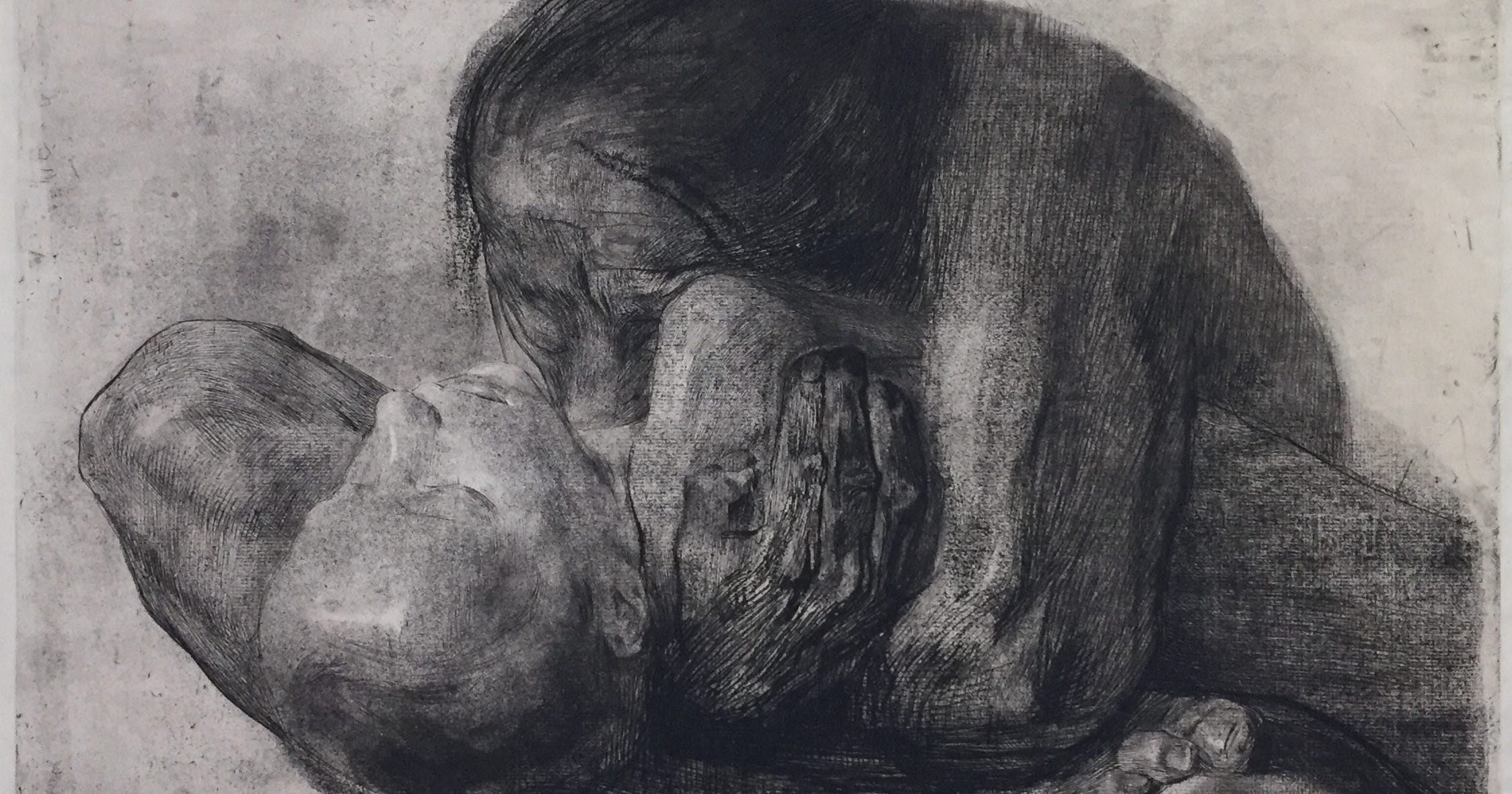
My friend’s difficulty granting herself permission made grim sense because most of us have been trained for this.
Something terrible happens, and it’s almost like a little administrative questionnaire appears in your mind almost instantly:
How much time do you need to get over this?
Can you work from home?
Will you still make it to XYZ commitment you promised you’d attend?
When should we expect you back?
And on it goes…
So now compassion itself has an implied return date.
I don’t blame every person who asks those questions. Life must (and should, to a certain extent) keep life-ing on even during disaster. Shifts need covering and children need feeding. Yet these practical facts leave very little room for an experience that has completely altered the person living through it on a spiritual, psychological and emotional level.
“Clock time” feels obscene during these kinds of initiatory passages.
Someone dies at 2:17 on a Wednesday afternoon and life’s admin tasks are waiting for you on Thursday. A woman gives birth then somehow learns to care for a newborn while bleeding and barely sleeping, with no time to understand what has happened to her psyche or physical body.
The examples are endless.
Grief completely transforms one’s relation to time long after other people stop asking about it. The body lives in one reality even as the social world insists upon another.
Modern life handles “admin” very well. We approve bereavement leave and request medical documentation. Procedures exist for absence, but we have almost zero rites for interruption.
A rite would admit that something happened to the person who stepped away, and she may not resume at the exact point where she left. Her experience deserves witnesses and care. Maybe even time and silence.
My friend needed to miscarry and grieve her baby without at the same time worrying about proving that she was still a reliable worker, an agreeable guest or someone capable of receiving some of the most devastating news of her life without inconveniencing anybody.
Watching her made the question I’d been asking through my own experiments with cyclical rest feel much more consequential.
Who Taught Us That Every Day Should Produce

For most of human history, people who worked the land lived with the concept of uneven time.
Harvest followed the crop and winter imposed limits you couldn’t negotiate away. Even light changed across the year.
Romanticizing this holds no appeal, folks. I don’t want to cosplay a prehistoric Goddess village where everybody free bleeds under the moon with no worries in sight.
Agricultural life exhausted people and childbirth regularly killed women. Even something as simple as an infected tooth could kill you, and winter could kill everyone. Proximity to the land did a great job at making one fact impossible to avoid. Life doesn’t produce continuously. A field that has just yielded a crop can’t just be screamed at until it yields another one for you.
Economic life gradually gained the power to ignore those limits. Electric light weakened the authority of darkness, while factory production separated many goods from local harvests. Now digital networks let work follow us home.
I have zero wish to recover the suffering these changes helped relieve. But they also made it easier to build a world around the expectation of continuous human availability, as though time can change endlessly while the person moving through it should remain more or less the same.
The modern worker is expected to be remarkably consistent.
Tuesday morning in February should receive roughly the same person as Tuesday morning in June. Pregnancy, grief, illness and whatever else the body is doing have to answer to the calendar.
Women fought hard for access to this world, and I’m grateful they did. I can vote, own a company and make money that actually belongs to me. I have freedoms my female ancestors would have killed for.
But gaining access also meant proving that women could meet expectations that were created long before we were allowed full participation in public life. So we proved we could play the game. We learned to menstruate through meetings, throw up from morning sickness before work, pump breast milk between appointments and return to the grind after childbirth while reassuring everyone that we were still serious and productive people.
And of course, women can do this. That’s not the point. I want to talk about why doing this became evidence of our liberation.
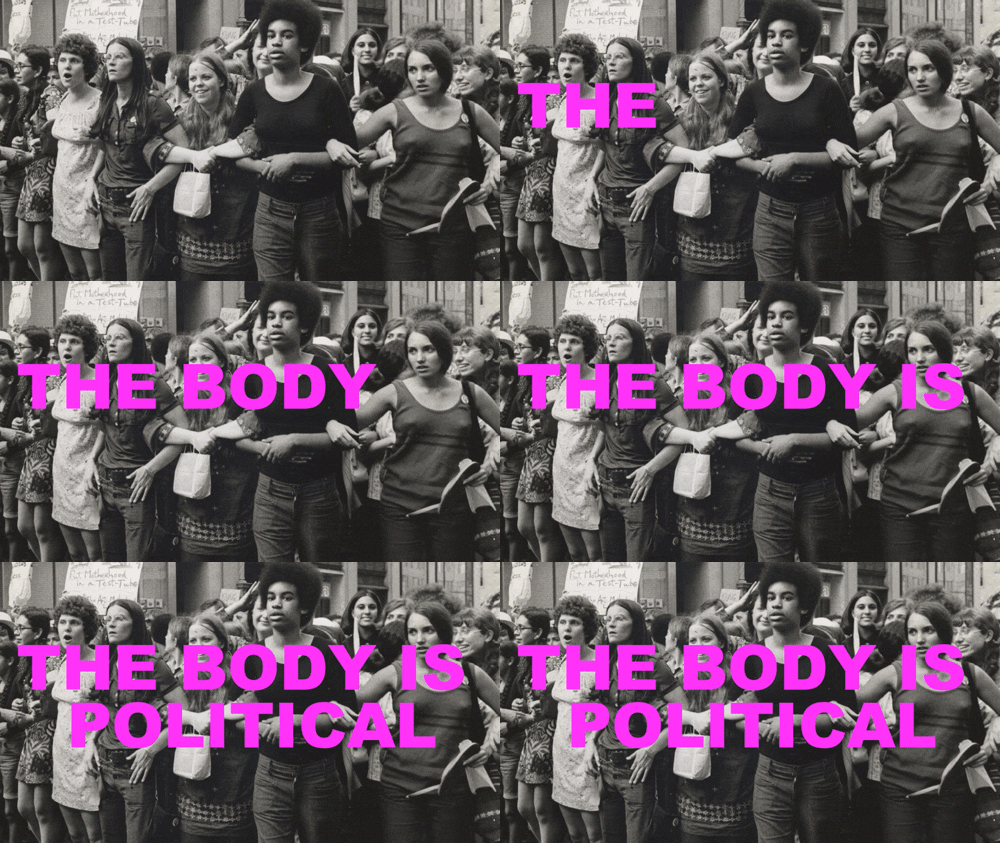
My friend’s miscarriage brought all of this into sharp relief.
She could override what her body was asking of her and continue meeting all her obligations. She was absolutely capable of it. I think what it comes down to is that I simply no longer believe capability is the most useful way to measure freedom.
Don’t get it twisted, men pay dearly for this arrangement too.
A man can bury his father on Saturday and be forced to return to work Monday. His body also gets sick and exhausted. Human beings vary across time, while much of working life depends on us pretending we don’t.
It’s just that women’s bodies in particular make that fiction nearly impossible to ignore.
I’ve been wondering a lot lately about whether our oldest religious history knew something about human variation that our “modern” selves have completely lost contact with. My conversations with Anne Baring, who is 95 and has spent much of her life studying the feminine divine, have taken me into the lives of women whose authority depended on something almost completely absent from the modern ideal worker.
They knew how to withdraw.
What Happened to the Priestess?

Priestesses and priestess-coded lore live rent free in my mind these days.
And please know I mean the actual religious office, before the priestess somehow ended up on Instagram selling angel-healing frequencies through a link in bio.
At Delphi, the Pythia served as the oracle of Apollo.
Political leaders traveled alongside other petitioners to consult her, and questions of war or civic life entered ritual setting where a woman moved into an altered state and spoke words her culture considered valuable as hell. Whatever you think was happening within her or around her, her culture revered it. A woman’s withdrawal from normal consciousness held serious public value.
The Pythia and I aren’t doing the same thing, although I bet she would have seriously fucked with my heating pad. Still, women like her raise some useful things for us to ponder regarding what a culture cultivates when it believes reception itself can produce valuable knowledge.
Many women in history drew authority from dreams, divination and various forms of religious devotion that couldn’t be summoned on schedule. Their worth didn’t depend solely on how efficiently they acted upon the world.
Something was permitted to come to them.
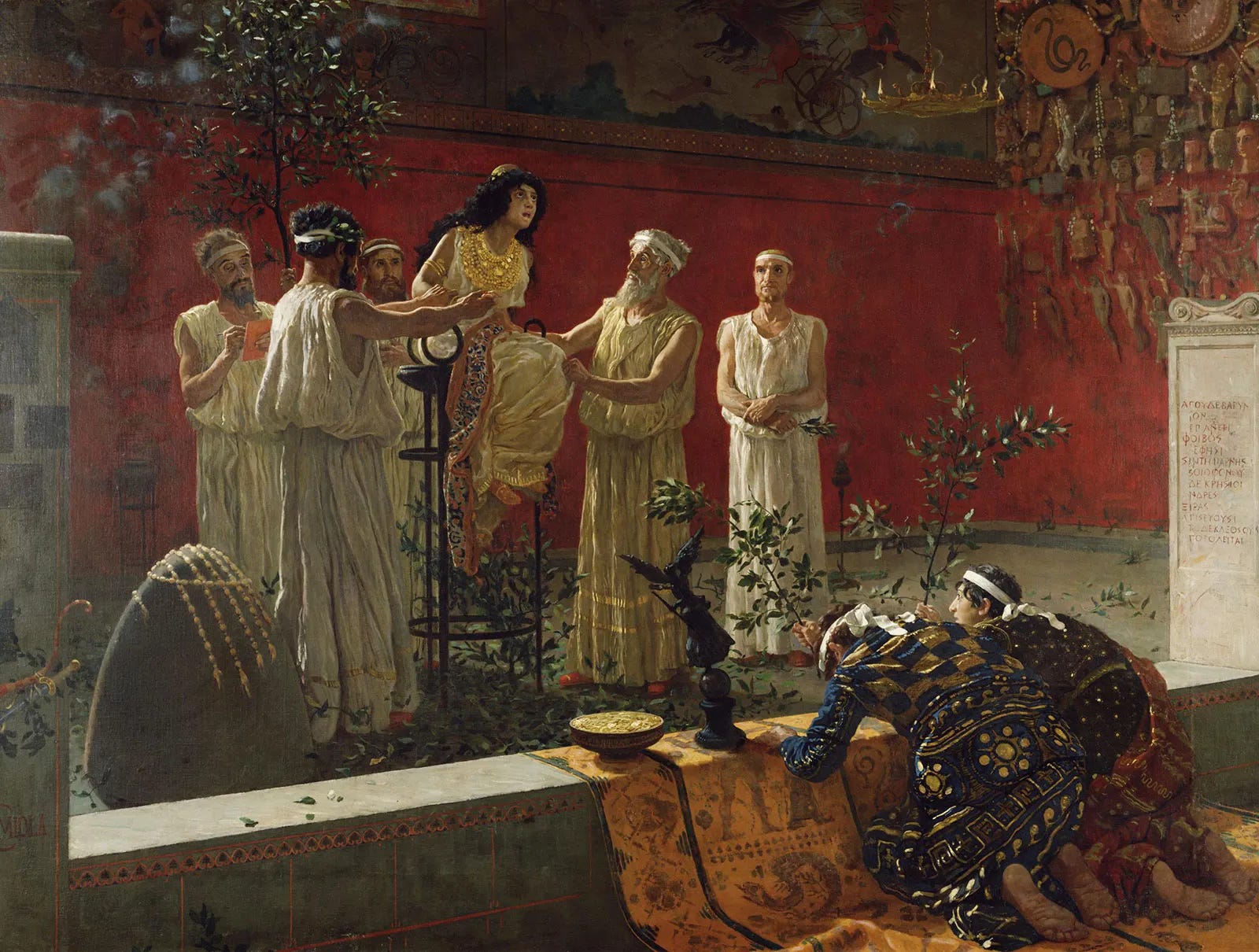
How tragic it is that this kind of permission feels almost radical now. We have no problem honoring visible acts. The decision, published work, completed task, the measurable result, etc.
Ancient sacred images preserve another mode of attention entirely.
The Grail and the Spear
The Grail is a cup made to receive.
The spear moves forward by piercing.
Lately, if someone were to ask me what the essence of my spiritual practice is, I’d reply that my work has been to keep both the cup and the spear within reach.
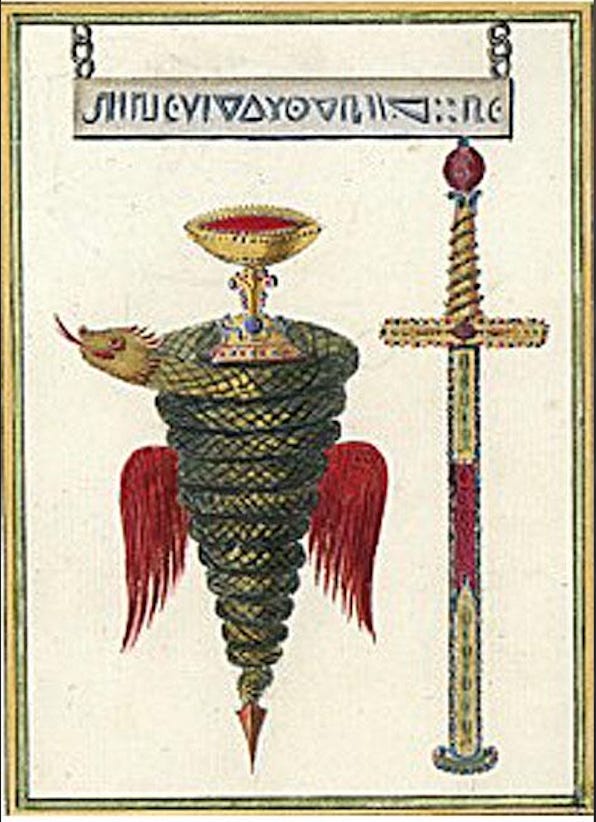
This imagery has done more for me than almost anything I’ve heard online about “masculine and feminine energy.” Somewhere along the way, the masculine got sent to a bougie men’s retreat to do breathwork and rediscover the inner warrior, while the feminine learned to “receive” in an extremely expensive matching linen set.
The Grail and the spear ask more of me.
Some days require action. Decide, record the episode, send the email, protect what needs protection. I love that mode most near ovulation. It often feels almost delicious because motion has its own pleasure to it. Six hours at my desk can fly by because the ideas are ready and I have the energy to give them form.
Trying to force Sea Witch Time on those days would be stupid because something within me knows that now’s the time to go make the thing.
Five days before my period, the same exact force feels like managerial bullying directed at my own body and soul. The internal monologue asks why I’m so tired, what is taking so long, and how the fuck I was able to do all of this so easily two weeks ago. More pressure rarely helps. The spear is useful when something needs doing. Five days before my period, I sometimes need to put it the hell down.
Receiving sounds passive until you actually try it. Feelings may need to be felt before they can be explained or expressed. Dreams can rattle around in your mind for several days and reveal more if you resist immediately submitting them to an online symbol dictionary. Sometimes the most active thing you can do is stop interfering.
Women need the spear. I know I certainly do. Whatever I receive during Sea Witch Time eventually has to survive a microphone, a deadline and other people’s opinions.
Men need the cup as well. A person who only knows how to advance, solve, compete and prove will lose access to whatever can’t be seized by force. Some of the best things human beings have ever made began with someone becoming receptive enough to receive an idea before they knew what to do with it.
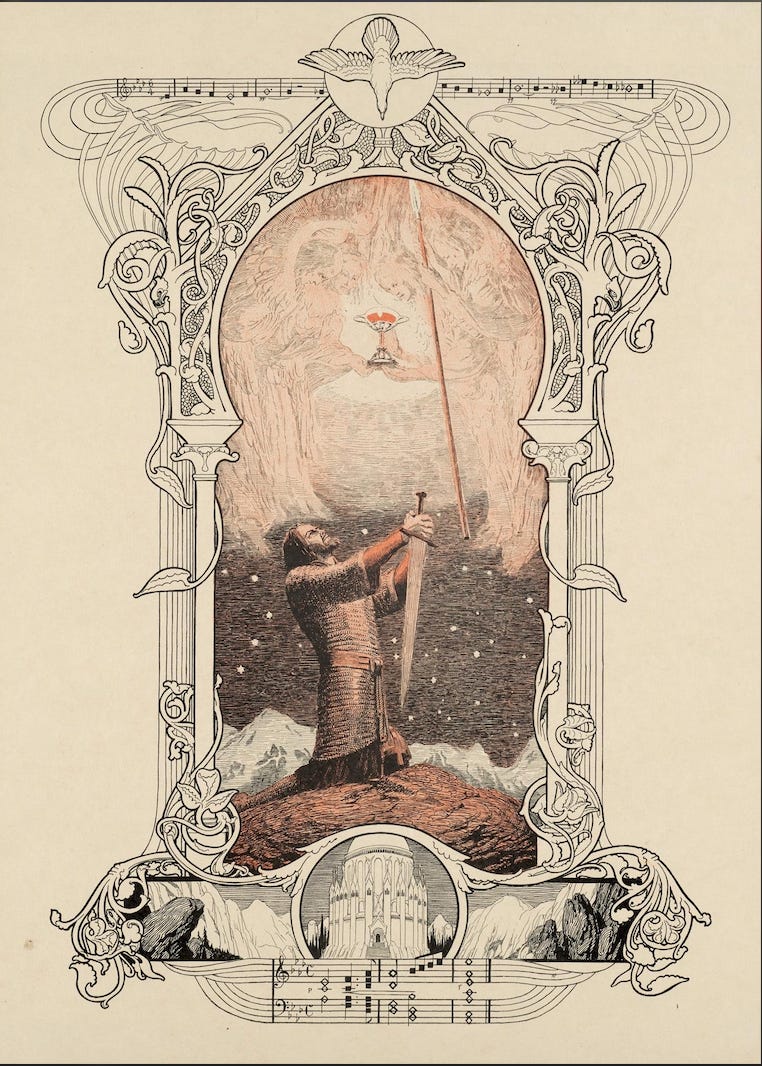
The alchemical image of the “sacred marriage” makes more sense to me now.
I used to hear people talk about masculine and feminine principles and get caught up trying to define them. These days I care more about what each asks of me. Do I need to move toward the world, or become receptive to what’s already trying to reach me? To me, wisdom is knowing whether the moment calls for the spear or the cup.
My cycle keeps returning this theory directly to my physical body. Either version of me would govern badly entirely on her own. Sea Witch Mollie would forget to pay the bill. Ovulatory Mollie would agree to plans every night that week.
Learning to work with both has also forced me to reconsider what I’m willing to count as “work.”

The Work Nobody Can See
People see most of what I make only after it exists. Publication leaves timestamps. When I upload an audio file to my podcast host, there’s proof that somebody did something.
The preceding hours are less easy to quantify. I read very promiscuously, often without knowing why. I’ll consume 15–20 pages of a book about medieval Grail literature before diving straight into Jung for a few pages more, then an interview transcript from the 1980s with Terence McKenna and some random thought typed into my notes app while brushing my teeth.
Months can pass among these little pieces with no obvious relationship connecting any of them together.
Reading without any immediate purpose used to feel indulgent whenever there was “real work” I could be doing. Daydreaming was even harder to defend. At least a book in my hand gave me plausible deniability. And yet, some of the work people have responded to most strongly started during those supposedly useless hours, when I stopped trying to produce anything long enough for my mind to wander somewhere I couldn’t have sent it on command.
One afternoon, the connection clicks and I just know what I want to make.
The recording might happen weeks later, and that’s the part everyone can count as “productive.” I can report the finished runtime and show you the research documents. What I can’t tell you is when the work started because apparently some of it was happening before I even knew I was working.
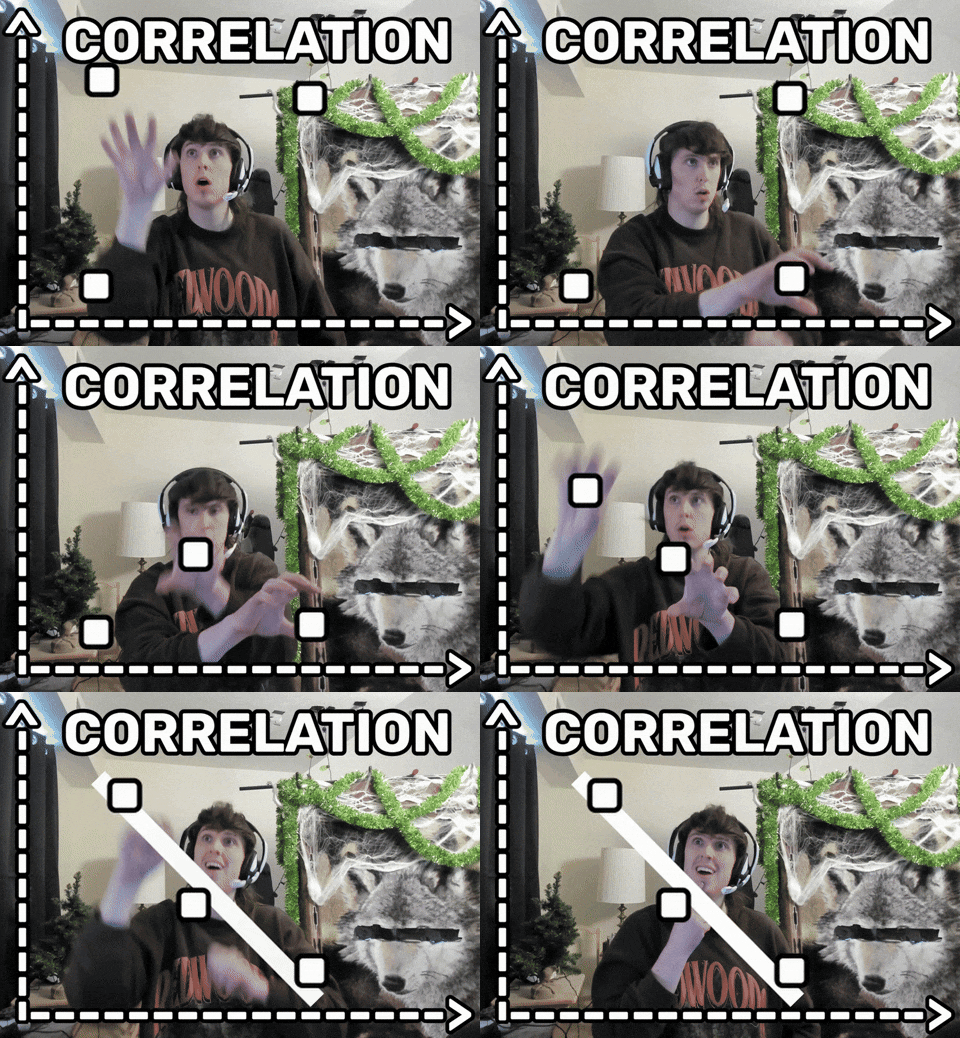
The fantasy of a clean-cut ratio between effort and result has lost its hold on me at this point. Sometimes I spend hours trying to force an idea that finally comes to me in the shower with basically zero effort. Other times I read a book for no defensible reason and discover six months later that it contained the missing piece of something I hadn’t even started making yet.
No spreadsheet can predict this, and I don’t want one. But the minute we notice that withdrawal can feed creative work, we seem desperate to make it justify itself economically.
Please Keep Productivity Culture Out of This
I can already see the luteal-phase Notion template.
It will have four colors and a downloadable PDF guide. Someone will call it an ancient hidden feminine practice and charge $88 for it because eight is an “abundance” number.
Cycle awareness can be useful. I use tracking apps myself. I’m all for anything that helps me understand what my body is doing. I just refuse to assign every hormonal fluctuation its own task category and corresponding essential oil. Please don’t make Sea Witch Time answer to a color-coded calendar, sis.
Some withdrawals produce work I love. Other afternoons bring bleeding and irritability, fatigue and a heating pad, with no insight or any kind of creative payoff. I might watch television, fall asleep, or spend far too long looking at houses in rural France that I’m never buying. Those hours owe me no return, and I’m cool with that.
Permission to rest only because rest might create future output defeats the entire purpose. Sometimes I’m simply just tired.
We’ve gotten scarily good at defending rest by insisting that it’s secretly useful.
How incredibly depressing. A human life should contain time that can’t be monetized or defended, including hours we don’t post, learn from, optimize or redeem through later achievement.
If every unproductive afternoon requires permission, what have we decided a human being is actually for?
The Next Liberation May Have Something to Do With Time
The office didn’t descend from heaven on high. Neither did the five-day workweek or the assumption that serious people prove themselves by being endlessly available. These are human inventions, which means we’re allowed to question whether they deserve quite as much obedience as we give them.
Women have spent generations proving we can keep going while our bodies are asking something else of us. We can work through periods, pregnancy, postpartum life and grief. We can be exhausted and still show up. I believe us. I just don’t know why overriding ourselves is still treated as something to aspire to.
I know this gets complicated fast.
Give women menstrual leave and some employer will decide women are too inconvenient to hire. Any accommodation can be used as evidence that the person receiving it is a liability. I don’t know how to solve that. I do know “everyone keep pretending your body has nothing to do with your working life” is a pretty bleak place to stop thinking.
Human capacity changes. Sometimes we have a lot to give, and sometimes life makes other demands. Having any real say over your own time is still heavily tied to money and the kind of job you have.
I know this because my own Sea Witch Time depends on freedoms many people don’t have. I work for myself. I can afford good childcare and I have a very supportive partner. Those circumstances have given me enough control over my days to learn how differently I work when I stop treating every hour as interchangeable. I don’t think that this should be such an expensive thing to find out.
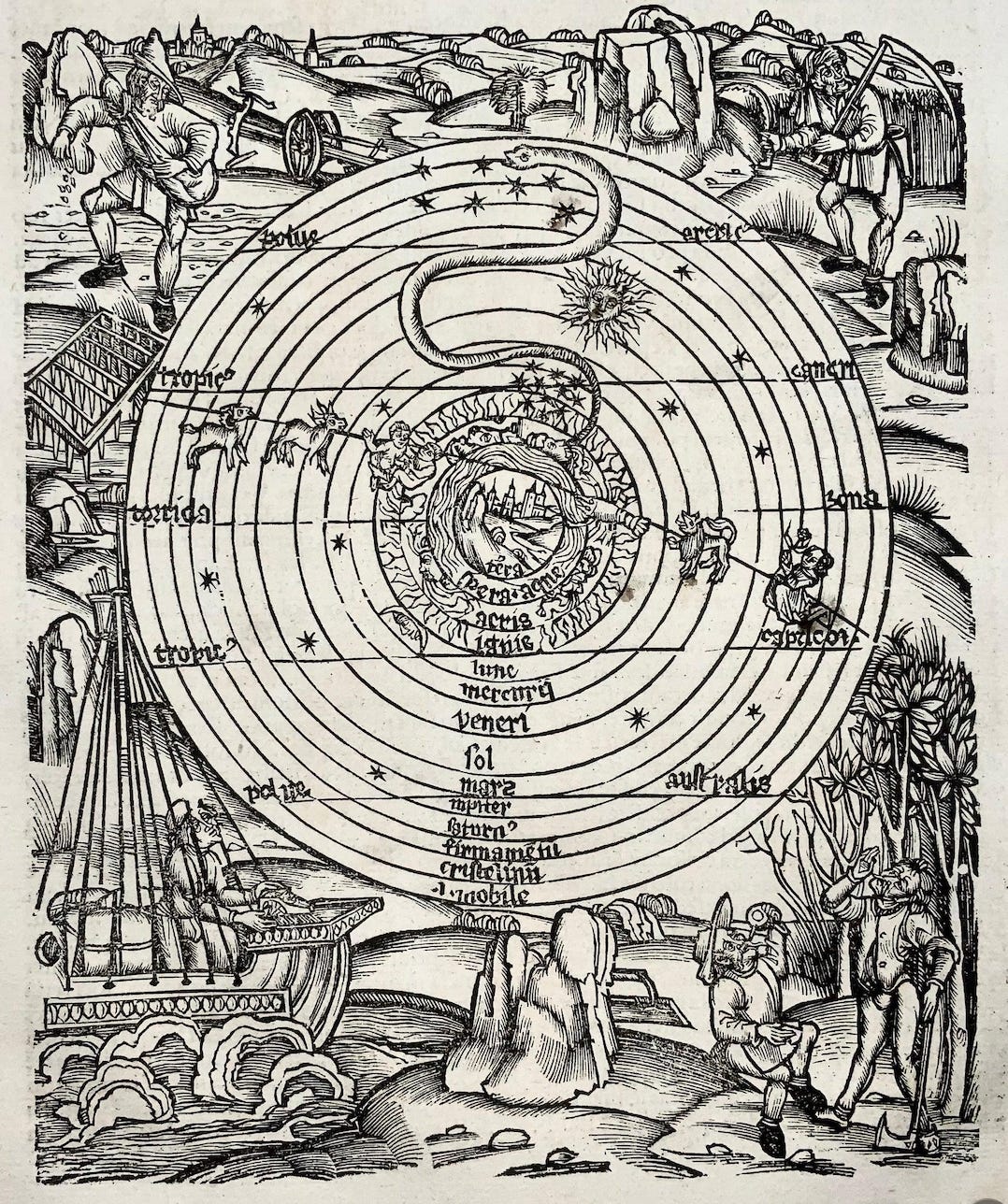
I have no policy proposal hidden at the end of this essay, only deep suspicion toward any way of living that demands such steady bodily override that we stop hearing our bodies at all.
Maybe there’s still some freedom left to win in having more say over our own time. Some days we have plenty to give, while other days we need to pull back entirely.
I’d like a life that leaves room for both.
Sea Witch Time Again
I love Sea Witch Time now.
I love the woman I am here, even when nothing comes of the afternoon except a cold cup of tea and three hours under a blanket. For years, I treated days like these as something to “get through” while I waited for the more energetic version of myself to come back.
She’ll come back. And when she does, I intend to use her. I’ll record, make plans, clear the shit that’s been sitting on my desk and enjoy having the energy for it. But I’m done waiting for her while I’m here.
I can’t tell anyone else how to live in their body, and I wouldn’t want to do that even if I could. After all, I’m only just barely starting to understand my own.
What I know now is that going quiet and bringing something into the world both exist within the same creative life. One can take place under a blanket with nobody watching, while the other is much easier to mistake for the “real work.”
For a long time, I made that mistake.
But I know better now.

If you want to come further in
If you found me through this essay, hi. I’m Mollie, and I make Back From the Borderline, a podcast and a growing body of work around depth psychology, myth, mysticism and the weird and wonderful corners of religious history.
Social media in its current iteration is a pretty terrible way to keep up with someone whose work you genuinely want to follow. Instagram, TikTok, X, whatever the fuck we’re calling these places now… you can choose to follow someone and still barely see what they make. So I’m putting more of my writing and everything surrounding BFTB on Patreon, where you can join for free.
I’ll be sharing essays there, along with shorter notes and fragments, work in progress, and updates from the podcast. If you want a reliable way to keep up with what I’m making, that’s the place.
Paid members have access to the full BFTB archive, including hundreds of private episodes going back to 2021, plus House of Cards, my ongoing study of the tarot one card at a time through myth, Western esotericism and Christian Hermeticism.
I’ve also started Votive House, a live gathering every other week where we read and study this material together. Fewer feeds. More weird old books.
There’s also MOODS, the app I co-founded, which grew out of many of the same questions I’ve been following through my work. It uses reflective intelligence for archetypal self-knowledge and inner work, with a library of audio experiences built around myth, symbol and the unconscious.
And if Sea Witch Time is your first introduction to my work, you’ve found me in the middle of a multi-part podcast series with Anne Baring, the 95-year-old Jungian analyst and author whose work on the feminine divine appears in this essay.
Together, we’re looking at the religious history behind the disappearance of the feminine face of divinity, and what its recovery might ask of us now.
LISTEN TO PART ONE HERE:
Start wherever you like.
This essay found me at just the right time: on my period, engaged in mental gymnastics of deciding whether or not my productivity in recent days has earned me the right to rest today. Thank you for reminding me that I can. I too have produced some of my best ideas in that state. 😌
Thank you for continuing to write even when you are also taking things further with your recordings and podcasts and video content. Your written voice is still very powerful and important, and I am glad to see it.
I see my journey mirrored in your work, and the puzzle pieces you help me place are nothing short of incredible. I hope I can return the favor with a new thread to tease from the fabric of reality and unravel. For your next Sea Witch time: Cari Eden and The Voynich Manuscript